
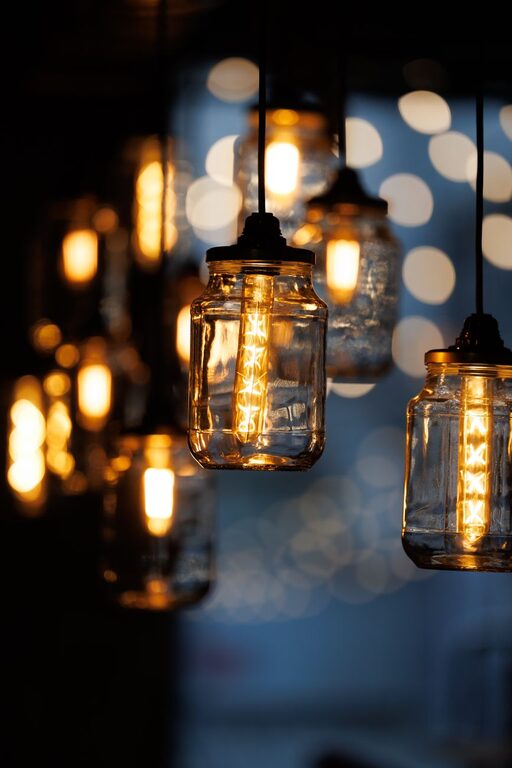
Creating comfortable home lighting is essential for making your living space feel welcoming and functional. The right lighting can influence your mood, improve productivity, and even enhance the overall aesthetic of your home. Whether you’re updating your current setup or starting fresh, understanding the basics of lighting and how to choose options that suit your lifestyle will make a big difference.
In this post, we’ll walk you through helpful advice on selecting comfortable home lighting, with tips on light types, placement, color temperatures, and energy efficiency.
Why Comfortable Lighting Matters
Lighting does more than illuminate a room. It sets the ambiance, highlights décor, and supports everyday activities like reading, cooking, or relaxing. Poor lighting can cause eye strain, headaches, or make a room feel cold and uninviting. Comfortable lighting improves your well-being and complements your home’s personality.
Types of Lighting to Consider
When choosing lighting, it helps to think about layers of light. A mix of ambient, task, and accent lighting ensures both comfort and functionality.
Ambient Lighting
Ambient lighting provides the overall illumination in a room. Common sources include ceiling fixtures, chandeliers, or recessed lights. Look for soft, diffused light that evenly brightens the space without glare.
Task Lighting
Task lighting focuses on specific tasks such as reading, cooking, or working. Desk lamps, under-cabinet lights, and adjustable floor lamps are examples. This lighting should be bright enough to reduce eye strain but adjustable so you can control the intensity.
Accent Lighting
Accent lighting adds visual interest by highlighting artwork, architectural features, or plants. Use spotlights, track lights, or wall sconces for this purpose. Accent lights are typically lower in brightness compared to ambient lighting and help create a layered, cozy effect.
Tips for Selecting Comfortable Lighting
1. Choose the Right Color Temperature
Color temperature is measured in Kelvins (K) and affects how warm or cool light appears. For comfortable home lighting:
– Warm light (2700-3000K) creates a cozy, relaxing atmosphere. Ideal for living rooms and bedrooms.
– Neutral white light (3500-4100K) works well for kitchens, bathrooms, and workspaces.
– Cool light (5000-6500K) resembles daylight but can feel harsh, so it’s better suited for task illumination in small doses.
2. Pay Attention to Brightness Levels
Brightness is measured in lumens. Avoid overly bright lights that can feel harsh and cause fatigue. Instead, aim for balanced lighting:
– Living rooms: 1,500 to 3,000 lumens total
– Kitchens: 3,000 to 4,000 lumens total
– Bedrooms: 1,000 to 2,000 lumens total
Use dimmers where possible to adjust brightness according to time of day and activity.
3. Use Multiple Light Sources
Rather than relying on a single ceiling light, combine different types of lighting to create depth and flexibility. For example, pair an overhead light with table lamps or wall sconces. This allows you to create different moods and improve comfort.
4. Avoid Glare and Shadows
Position lights to minimize glare, especially on screens or reflective surfaces. Use lampshades or frosted bulbs to soften light output. Also, be mindful of shadow casting by placing lights at appropriate angles.
5. Select Energy-Efficient Bulbs
LED bulbs are widely recommended for their energy efficiency, long lifespan, and versatility. They come in various color temperatures and brightness levels, allowing you to customize your lighting while saving on electricity.
6. Consider the Style and Size of Fixtures
Choose lighting fixtures that match your home décor and room size. Large rooms may need bigger or multiple fixtures, while smaller spaces benefit from subtle, streamlined options. The style of your lighting should complement furniture and overall design.
7. Think About Placement and Height
Proper placement is key for comfort. For example:
– Over dining tables, hang pendant lights about 30-36 inches above the surface.
– In reading nooks, use adjustable floor lamps positioned to reduce eye strain.
– Ensure ambient lights are high enough to spread light evenly but not so high that brightness is lost.
Additional Tips for Special Rooms
Kitchen
Use bright, neutral lighting with task lights over counters and sinks. Under-cabinet lighting is great for detailed work.
Bedroom
Prioritize warm, soft lighting with options for dimming. Bedside lamps provide convenient reading light.
Living Room
Layer ambient, task, and accent lighting. Use warm tones and multiple sources to create a cozy setting.
Home Office
Opt for bright, neutral task lighting near your workstation. Avoid glare on screens with well-placed lamps.
Final Thoughts
Choosing comfortable home lighting is about balancing brightness, color, and placement to suit your lifestyle and space. Taking the time to layer your lighting and use adjustable options creates a versatile environment that supports relaxation and activity alike.
Remember, good lighting is an investment in your comfort and well-being. Experiment with different arrangements and bulbs to find the perfect setup that makes your house feel like a welcoming home.