
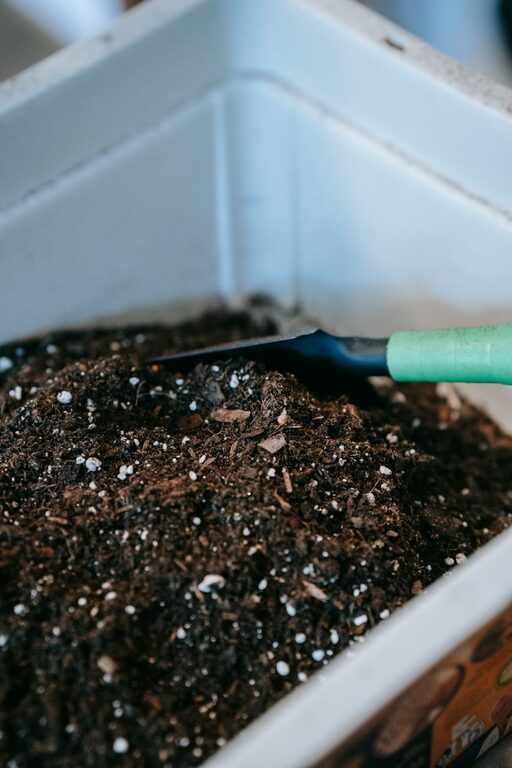
Composting at home is a rewarding way to reduce waste, enrich your garden soil, and contribute to a healthier environment. If you’re new to composting, you might wonder where to start or how to make it work effectively. This beginner’s guide will walk you through the essentials, offering practical tips to help you create a successful compost system right in your backyard or even in a small urban space.
What is Composting?
Composting is the natural process of recycling organic materials like food scraps and yard waste into a rich, dark soil amendment known as compost. This nutrient-packed material boosts plant health and reduces the need for chemical fertilizers.
Why Compost at Home?
– Reduces landfill waste: Food scraps and yard debris often end up in landfills where they produce methane, a potent greenhouse gas.
– Enhances garden soil: Compost improves soil structure, moisture retention, and fertility.
– Saves money: Using homemade compost means less spending on fertilizers and soil conditioners.
– Supports sustainability: Composting helps close the loop in your household waste cycle.
Getting Started: What You Need
1. Choose Your Compost Bin or Area
– Bins: Many types are available, including plastic tumblers, wooden boxes, and wire mesh bins. Tumblers are easy to turn, while bins protect your compost better.
– Compost Pile: If you have space, simply designate an outdoor spot for a compost pile.
– Indoor Options: For small spaces, try a worm bin or countertop compost collector that can be taken outside regularly.
2. Gather Materials: Browns and Greens
Successful composting depends on balancing two types of materials:
– Browns: Carbon-rich items like dry leaves, cardboard, straw, and shredded paper.
– Greens: Nitrogen-rich items such as fruit and vegetable scraps, coffee grounds, grass clippings, and fresh plant trimmings.
3. Avoid These Items
Certain materials can attract pests or cause odor problems:
– Meat, dairy, and oily foods
– Diseased plants or weeds with seeds
– Pet waste or ashes
Step-by-Step Composting Process
Step 1: Layering Your Materials
Start your compost pile or bin with a layer of coarse browns for good airflow. Alternate layers of greens and browns, aiming for roughly 2 to 3 parts browns to 1 part greens by volume.
Step 2: Maintain Moisture
Your compost should feel like a wrung-out sponge — moist but not soggy. Water the pile if it’s dry, or add more browns if it’s too wet.
Step 3: Turning the Pile
Aerate your compost every week or two by turning it with a garden fork or using a tumbler. This introduces oxygen, which helps speed up decomposition and prevents bad odors.
Step 4: Monitor Temperature
A healthy compost pile heats up as microbes break down materials. If possible, track the temperature with a compost thermometer. Ideal temperatures range between 110°F and 160°F.
Troubleshooting Common Issues
– Bad smells: Usually mean too much moisture or too many greens. Add more browns and turn the pile to aerate.
– Slow breakdown: Could indicate a lack of nitrogen or moisture. Add fresh greens and lightly water the pile.
– Pests: Avoid adding food like meat and dairy. Secure your bin and turn regularly.
Harvesting and Using Your Compost
After a few months, your compost will turn dark, crumbly, and have an earthy smell — signs it’s ready to use. Use it to:
– Enrich garden beds and flower pots
– Mix into lawn soil for added nutrients
– Mulch around plants to retain moisture
Store finished compost in a covered bin or bag until you’re ready to use it.
Tips for Composting Success
– Chop or shred large materials to speed up decomposition.
– Keep a small kitchen bucket for food scraps to make collecting easier.
– Patience is key; composting is a natural process that takes time.
– Experiment with different methods to find what works best for your space and lifestyle.
Final Thoughts
Composting at home is a simple, eco-friendly way to reduce waste and improve your garden’s health. By following these beginner tips, you’ll create a thriving compost pile that benefits both your plants and the planet. Happy composting!