
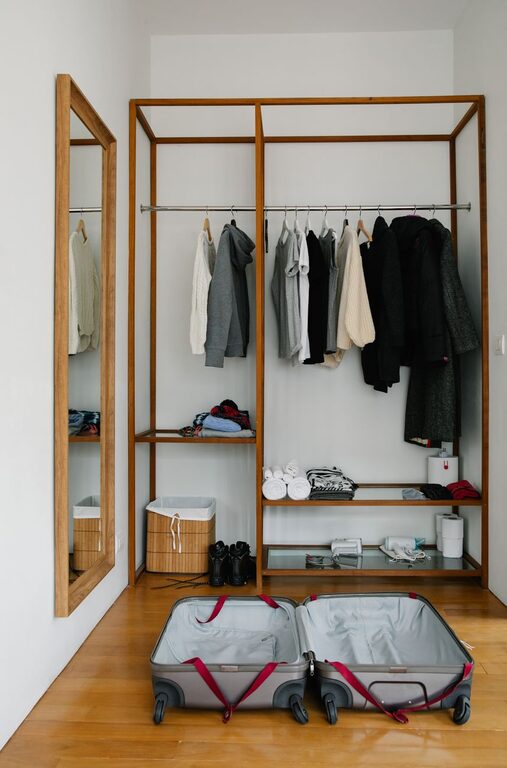
Storing seasonal clothes efficiently can make a big difference in how organized and spacious your closet feels year-round. When the seasons change, it’s time to pack away bulky sweaters or summer dresses in a way that keeps them fresh and easy to access next time you need them. Here’s a friendly, step-by-step guide to help you store your seasonal wardrobe smartly without any hassle.
Why Efficient Seasonal Clothes Storage Matters
Storing your out-of-season clothes properly helps protect them from dust, moisture, pests, and wrinkles. It also frees up valuable space in your everyday closet, making it easier to find and enjoy the clothes you wear now. Plus, good storage habits can extend the life of your garments, saving you money in the long run.
Preparing Clothes Before Storage
Before you pack away your seasonal clothes, preparation is key.
Wash and Clean Everything
Always wash or dry clean clothes before storage. Dirt, oils, and stains can set over time and attract insects or cause odors. Make sure all items are completely dry to prevent mildew.
Repair and Inspect
Check for missing buttons, loose threads, or small holes. Fix these small issues before storing to save time later.
Sort and Declutter
Take this opportunity to donate or recycle clothes you no longer wear. Keeping only what you love and use helps maintain a more organized closet.
Choosing the Right Storage Containers
The type of container you use can have a big impact on how well your clothes stay preserved.
Plastic Bins with Lids
Clear plastic bins are excellent for keeping out moisture and pests. Look for sturdy, airtight containers with secure lids. Label each bin to easily identify its contents.
Fabric Storage Bags
Breathable fabric bags allow air circulation, which is good for natural fibers. However, they don’t protect as well against moisture or pests. Use these bags if you plan on storing clothes somewhere dry and climate-controlled.
Vacuum-Sealed Bags
Vacuum bags save space by compressing bulky items like winter jackets and sweaters. Keep in mind that natural fibers need to breathe, so don’t store delicate fabrics long-term in vacuum bags.
Under-Bed Storage
For easy access, consider flat under-bed storage boxes. These keep clothes out of sight but still accessible without taking up closet space.
Best Practices for Folding and Packing Clothes
Proper folding and packing can reduce wrinkles and make it easier to find what you need later.
Fold, Don’t Hang
Heavier sweaters and knitwear should be folded to retain shape and prevent stretching. Use gentle folds to avoid creases.
Use Tissue Paper
Place acid-free tissue paper between delicate layers to prevent friction and protect fabrics.
Pack Similar Items Together
Organize clothes by type—like pants, tops, dresses—in separate containers so you don’t have to dig around later.
Avoid Overpacking
Don’t cram too many clothes into one container. Overpacking can cause wrinkles and damage to garments.
Protecting Clothes from Pests and Odors
Keeping your stored clothes fresh is essential.
Use Natural Repellents
Lavender sachets, cedar blocks, and rosemary bags are natural ways to deter moths and insects. Avoid using strong chemicals near your clothes.
Maintain a Dry Environment
Avoid storing clothes in damp basements or humid areas. Use silica gel packets or moisture absorbers to reduce humidity inside bins.
Regular Checks
Check on your stored clothes every few months. This helps catch any potential issues early, like mold or pest damage.
Organizing Your Storage Space
An organized storage area makes seasonal swaps easier.
Label Everything
Clearly label each container with its contents and season. This saves time when swapping clothes.
Stack Strategically
Place bins you’ll need first on top or in front. Keep heavier bins on the bottom for safety.
Use Shelving Units
Shelves help keep bins off the floor and neatly arranged.
Tips for Seasonal Swaps
When it’s time to bring clothes back into your daily rotation, keep these tips in mind.
– Air out stored clothes before unpacking.
– Wash items that were stored longer than a season.
– Rotate seasonal clothes regularly to keep everything fresh.
Final Thoughts
Efficient seasonal clothing storage isn’t just about packing away clothes; it’s about caring for your wardrobe and creating an organized home. With a little preparation and the right storage solutions, your clothes will stay in great shape and be ready to wear when the seasons change.
By following these practical tips, you can enjoy a clutter-free closet year-round and keep your favorite outfits looking their best. Happy organizing!