
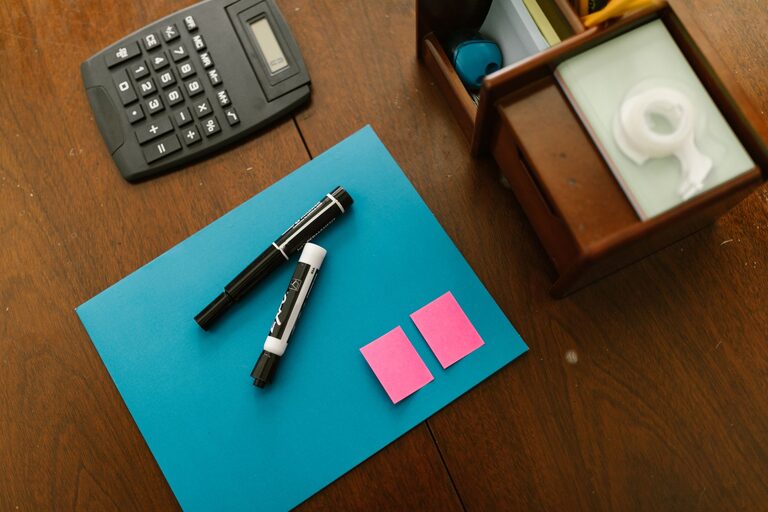
Paper clutter is a common challenge in many households. From mail and bills to school papers and receipts, paper tends to accumulate quickly, creating disorganization and stress. Fortunately, with a few simple habits and tools, you can reduce paper clutter and keep your home neat and tidy. This post shares helpful tips to manage and minimize paper buildup effectively.
Why Reduce Paper Clutter?
Before diving into solutions, it’s important to understand why reducing paper clutter matters:
– Improved organization: Less paper means fewer piles and easier access to important documents.
– Reduced stress: A tidy environment often leads to a clearer mind.
– More space: Clearing excess paper frees up physical space in your home.
– Environmental benefits: Reducing paper use can decrease waste and support sustainability.
With these benefits in mind, let’s explore practical ways to tackle paper clutter.
Sort and Purge Regularly
One of the best ways to control paper clutter is by sorting and purging frequently.
Steps to Clearing Paper Piles
- **Set aside time:** Dedicate 15-30 minutes weekly for sorting papers.
- **Create sorting categories:** Use bins or trays labeled “Keep,” “Shred,” “Recycle,” and “Action.”
- **Review every paper:** Decide if it’s essential to keep or if it can be discarded.
- **Immediately file or discard:** Avoid piling papers back by filing or shredding them right away.
Regularly purging ensures paper doesn’t accumulate and become overwhelming.
Go Digital When Possible
Reducing physical papers starts with embracing digital alternatives.
Tips for Going Paperless
– Opt for e-statements and bills: Sign up for electronic versions through your bank, utility companies, and service providers.
– Scan important documents: Use a scanner or mobile app to digitize receipts, warranties, and contracts.
– Use cloud storage: Store digital files in secure cloud services like Google Drive or Dropbox for easy access and backup.
– Utilize digital note-taking: Replace paper notebooks with apps like Evernote or OneNote.
Transitioning to digital formats can eliminate many sources of paper clutter.
Create a Dedicated Paper Station
Having a specific area for incoming and outgoing papers helps maintain order.
Essential Components of a Paper Station
– Inbox tray: Catch new mail and documents here for later review.
– Filing system: Use labeled folders or file boxes to organize keepers by category.
– Shredder: Keep a shredder nearby for sensitive papers you no longer need.
– Pen and notepad: For jotting down quick reminders or notes while sorting.
A well-organized station makes managing papers a simple, routine task.
Implement a Filing System
A clear filing system ensures important documents are easy to find.
Filing System Ideas
– By category: Separate files for bills, medical, insurance, taxes, and receipts.
– Chronologically: Arrange papers by date within categories.
– Color coding: Use colored folders or labels for quick identification.
– Binder system: For frequently referenced papers, binders with plastic sleeves can be practical.
Keep your system consistent and review it every few months to stay up to date.
Limit Paper Incoming at the Source
Reducing paper clutter also means limiting what comes into your home.
How to Cut Paper Inflow
– Unsubscribe from junk mail: Use services like DMAchoice to reduce unsolicited mail.
– Request digital receipts: Ask merchants to email you receipts instead of printed ones.
– Opt out of catalogs: Contact companies to stop catalog deliveries you don’t want.
– Consolidate subscriptions: Keep only necessary magazine or newspaper subscriptions, or switch to digital editions.
By preventing unnecessary paper from entering your home, you reduce the workload of sorting and discarding it.
Manage School and Kid Papers
Children’s artwork, school announcements, and projects can quickly create clutter.
Tips for Kid Paper Management
– Designate a display area: Use a bulletin board or string with clips to showcase recent work.
– Create a memory box: Save select pieces in a box or portfolio for special memories.
– Digitize artwork: Photograph or scan kids’ creations to keep a digital archive.
– Teach organization: Encourage children to help sort and decide what to keep.
Balancing sentimental value with practicality helps keep kid papers under control.
Create Routine Habits
Consistency is key to maintaining a clutter-free home.
Daily and Weekly Habits
– Sort mail immediately: Open and sort mail right after bringing it in.
– Tackle papers daily: Spend a few minutes each day managing papers instead of letting them pile up.
– Review files monthly: Check your filing system regularly and remove no longer needed documents.
– Shred regularly: Shred sensitive papers to keep information secure and prevent buildup.
These small habits add up to big results over time.
Conclusion
Reducing household paper clutter may seem daunting at first, but with intentional habits and smart strategies, it’s achievable. By sorting regularly, embracing digital options, establishing a dedicated paper station, and limiting incoming paper, you can enjoy a more organized, peaceful living space. Start with a few tips and build your routine – your home and mind will thank you!